You don't need to fit a category to deserve support.
The things we carry — anxiety, grief, old wounds, uncertain futures — don't always come with neat labels. And the struggles we face aren't always ours alone; sometimes they live between two people who love each other and still can't find their way through.
Below are the areas I specialize in, but if something in you says this feels right, that's worth paying attention to.

Anxiety
When your mind won’t let you rest.
Anxiety has a way of making the future feel more real than the present. The what-ifs pile up, sleep gets harder, and eventually it can feel like you're just managing — not actually living.
In our work together, we'll slow things down. We'll look at the patterns that keep you stuck, build tools that actually help, and work toward a quieter relationship with your own mind. Not perfect — just more peaceful.

Depression
When everything feels like too much — or not enough.
Depression doesn't always look like sadness. Sometimes it looks like numbness, or exhaustion, or just going through the motions without really feeling present in your own life.
If that sounds familiar, you're not lazy, you're not weak, and you're not beyond help. We'll work together to understand what's underneath it, and gently find our way back toward the things that matter to you.

Trauma & PTSD
What happened to you deserves to be met with care.
Trauma has a way of staying in the body and the mind long after the event itself is over. It can show up as hypervigilance, nightmares, emotional numbness, or a sense that you'll never fully feel safe.
Trauma-informed therapy means we never rush, never push, and never pathologize your response to something genuinely painful. You set the pace. I'll be right there with you.
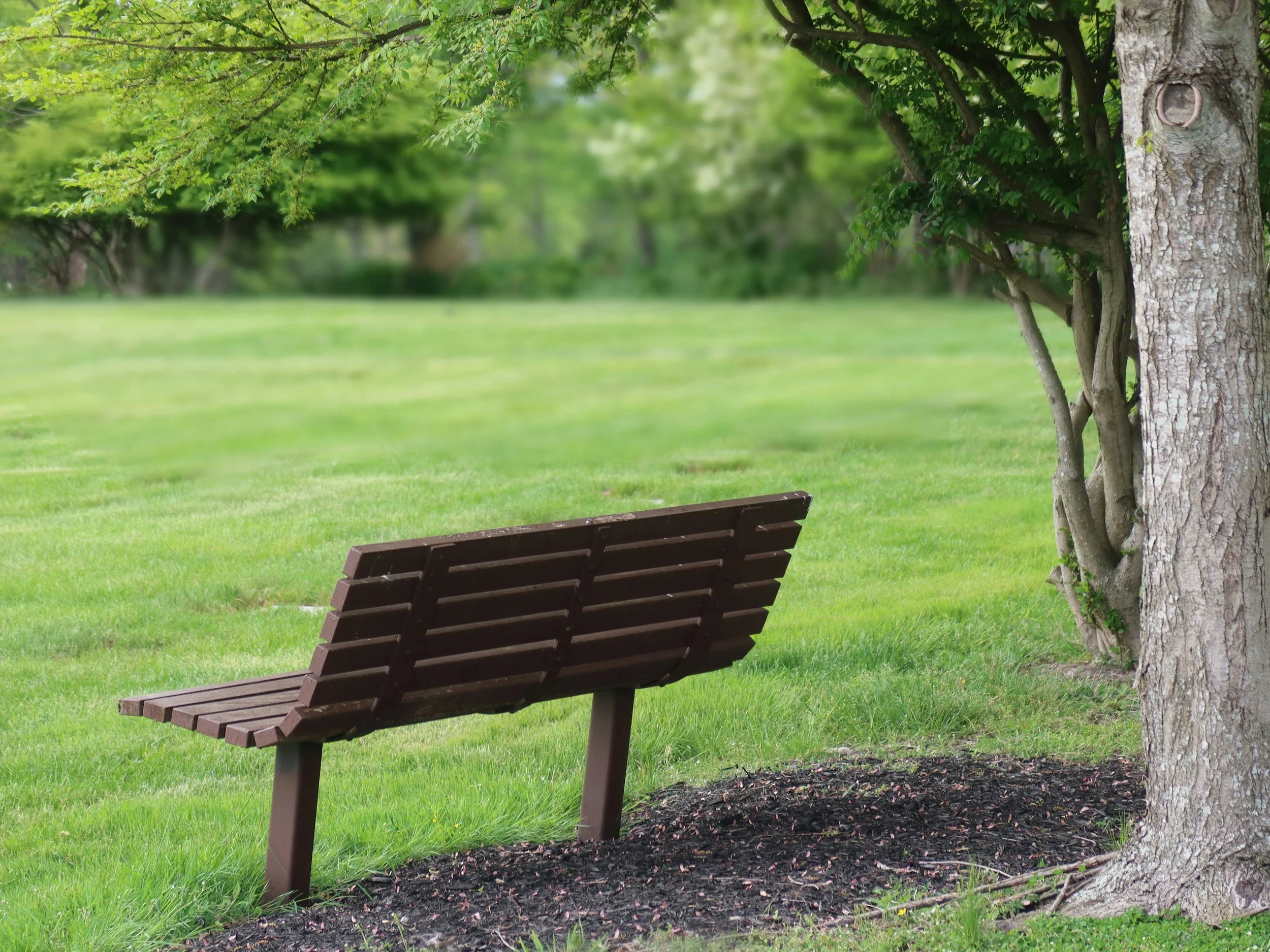
Grief
It doesn't always follow the rules we wish it would.
Whether you've lost a person, a relationship, a version of yourself, or a life you'd imagined — grief is grief, and it deserves space.
There's no timeline here. We won't check boxes or move you through stages. We'll just make room for all of it — the waves, the unexpected moments, and the slow, quiet work of carrying it differently over time.

Life Transitions
Big change, even good change, can shake everything loose.
A new job, a move, a divorce, an empty nest, retirement, becoming a parent — transitions ask us to let go of who we were while we're still figuring out who we're becoming. That in-between place is disorienting, even when you chose the change.
Therapy during transitions isn't about crisis management. It's about having a steady, thoughtful space to process what's shifting, grieve what's ending, and step into what's next with more clarity and confidence.

Self-Esteem & Coping Skills
Learning to be in your own corner.
A lot of us grew up learning to be hard on ourselves. To push through, minimize, compare. Over time, that inner critic can become the loudest voice in the room.
We'll work on quieting that voice — not by pretending everything is fine, but by building a more honest, compassionate relationship with yourself. That includes practical coping tools for the hard days, and deeper work on the beliefs that have been holding you back.
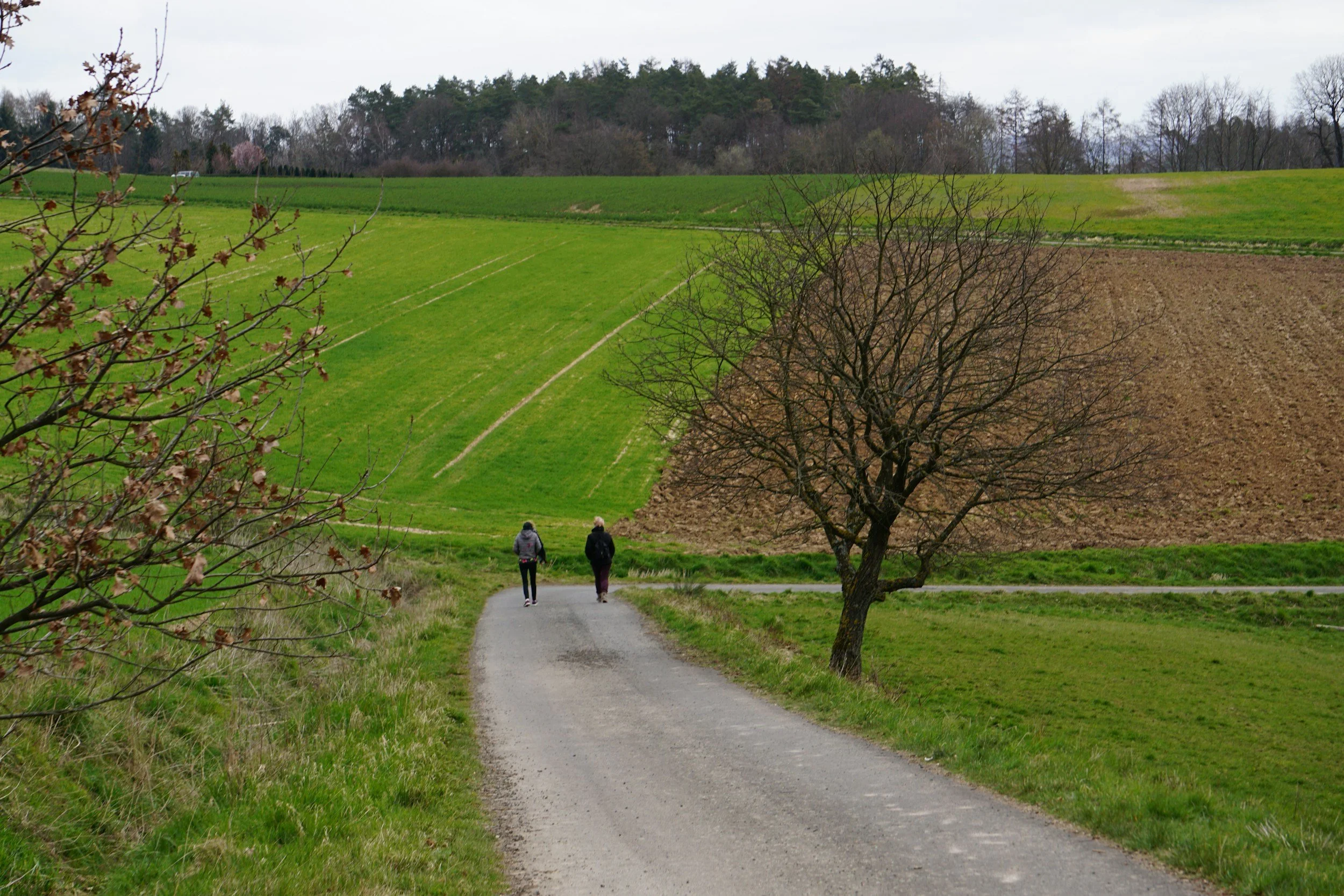
Walk and Talk
Movement with your therapy can be an option.
Even simple movement, like walking, has powerful physical and mental benefits. It’s one of the easiest ways to support long-term health without special equipment or intense exertion.
Key benefits of walking and regular movement:
Improves heart health: Strengthens the heart and lowers blood pressure and cholesterol, reducing cardiovascular disease risk.
Supports healthy weight: Burns calories steadily and helps regulate metabolism.
Boosts mood and reduces stress: Increases endorphins and serotonin, easing anxiety and depression.
Enhances brain health: Improves circulation to the brain, supporting memory, attention, and creativity.
Strengthens muscles and bones: Helps maintain balance, flexibility, and joint health, reducing risk of falls and osteoporosis.
Regulates blood sugar: Post-meal walks can help smooth blood sugar spikes.
Improves sleep: Promotes deeper, more restful sleep.
Increases longevity: Even 20–30 minutes of walking daily is linked with longer life expectancy.
Small, consistent movement throughout the day compounds into lasting benefits.
Ladies— Be sure to ask about Walk and Talk — weather permitting.
Not sure where you fit? That’s okay.
Reach out and we can talk through what's going on. You don't need to come in with the right words — just as you are.